
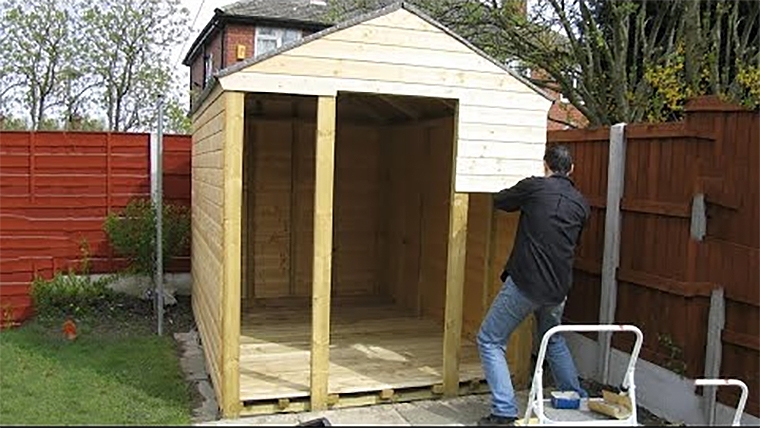
From Monday (August 31) building consents will no longer be required for minor building jobs such as building a carport or garden shed or adding a veranda or porch to an existing dwelling, potentially saving homeowners up to $18 million a year in consent fees.
Changes to the Building Act have increased the list of exemptions to requirements to obtain a building consent to include the following types of work:
- Building a carport up to 40 square metres.
- Building an awning up to 30 square metres on the ground floor only.
- Building a ground floor veranda or porch up to 30 square metres.
However the exemptions for all of the above types of work will only apply if the design of the project has been carried out or reviewed by a professional engineer, or a licenced building practitioner has carried out or supervised the design and construction.
People will also be able to build or install a permanent outdoor fireplace or oven in their backyards without having to obtain a consent, provided it is no more than 2.5 metres high, has a maximum cooking surface of one square metre and is at least one metre away from a boundary or building. Any council restrictions on fires will still apply.
It will also be easier to install outbuildings such as sheds, glasshouses or sleep outs, with the following structures no longer requiring a building consent:
- Outbuildings with a maximum floor area of 30 square metres where a licenced building practitioner carries out or supervises its design and construction.
- Kitset or prefabricated buildings up to 30 square metres where the manufacturer's design was carried out or reviewed by a professional engineer.
- Outbuildings up to 30 square metres that are constructed of lightweight materials can be built by non-professionals, provided the materials and components comply with a specified standard of the Building Code.
The solar panel industry could also get a boost, with ground-mounted solar arrays up to 20 square metres in urban areas able to be built by non-professionals without the need for a consent.
Ground mounted solar arrays between 20 and 40 square metres in urban areas will not require a consent if the design has been carried out or reviewed by a professional engineer.
It's not just city dwellers wanting to improve their outdoor amenities that will benefit from the changes, some will also make life a bit easier down on the farm, such as:
- Ground-based water storage bladders with a capacity of up to 200,000 litres to be used for firefighting or irrigation will no longer need a consent.
- Small bridges with a maximum length of six metres will no longer need a consent, provided they do not cross a road or rail line and the design has been carried out or reviewed by a professional engineer.
- Single story pole sheds or hay barns won't need a consent if their design has been carried out or reviewed by a professional engineer or a licenced building practitioner has carried out or supervised their design and construction.
- The rules around consents have also been eased for small pipe irrigation systems.
Although many smaller building projects will no longer require building consents under the new rules, they will still need to comply with the Building Code.
The new rules are expected to apply to around 9000 small building jobs a year and save property owners up to $18 million a year in consent fees.
More details about the new rules can found on the government's Building Performance website.
The comment stream on this story is now closed.
You can receive all of our property articles automatically by subscribing to our free email Property Newsletter. This will deliver all of our property-related articles, including auction results and interest rate updates, directly to your in-box 3-5 times a week. We don't share your details with third parties and you can unsubscribe at any time. To subscribe just click on this link, scroll down to "Property email newsletter" and enter your email address.
We welcome your comments below. If you are not already registered, please register to comment
Remember we welcome robust, respectful and insightful debate. We don't welcome abusive or defamatory comments and will de-register those repeatedly making such comments. Our current comment policy is here.